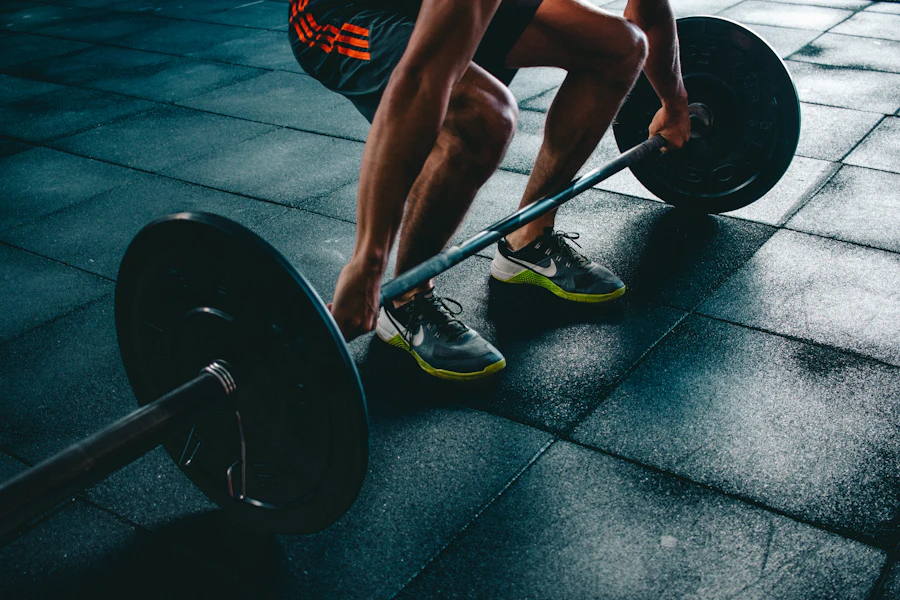
Build strength
Strong foundations
Learn movement patterns, develop control and gradually increase resistance.

Build strength, move confidently and improve performance with practical, progressive training programmes for every level — including swimmers, runners and multisport athletes.
Find your training planHow to use this guideStrength and conditioning combines resistance exercise, cardiovascular work, mobility and recovery. These example plans are intended for generally healthy adults and can be adapted to your experience, schedule and sport.
Learn movement patterns, develop control and gradually increase resistance.
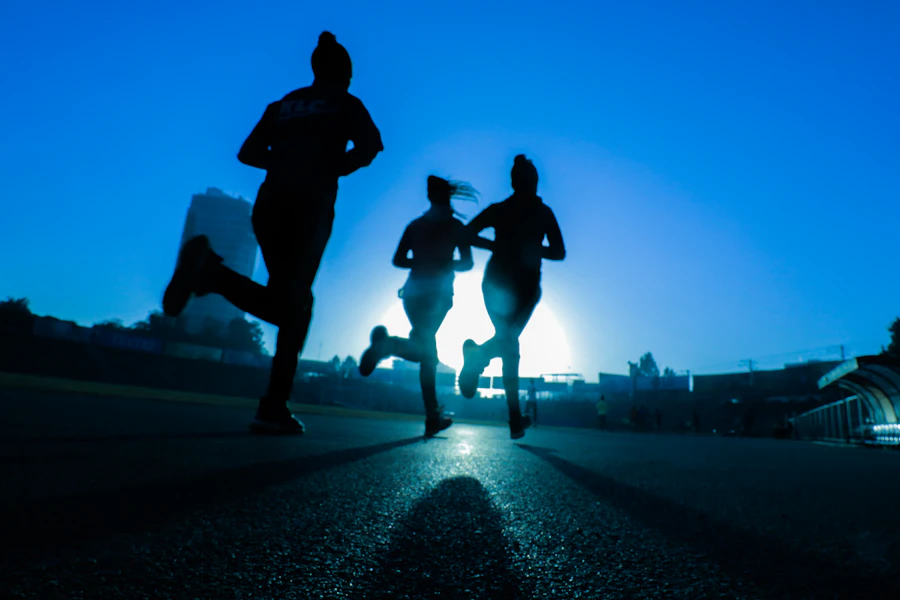
Build aerobic capacity with sustainable effort and purposeful intervals.

Support movement quality and allow enough time for adaptation.
Each plan is a complete weekly framework. Repeat it for 6 weeks while building consistency. Leave at least 48 hours between hard sessions for the same muscle groups where practical.
For adults new to structured resistance training. Sessions: approximately 30–45 minutes.
| Day | Exercises | Prescription |
|---|---|---|
| Monday — Full body A | Chair or goblet squat; incline push-up; band or cable row; glute bridge; dead bug | 2 sets × 8–12 reps each; dead bug 6–10/side |
| Tuesday | Easy walk, swim or cycle | 20–30 min conversational pace |
| Wednesday — Full body B | Step-up; dumbbell Romanian deadlift; seated shoulder press; lat pulldown; side plank | 2 sets × 8–12; side plank 15–30 sec/side |
| Thursday | Rest or gentle mobility | 10–15 min optional |
| Friday — Full body A | Repeat Monday | 2 sets × 8–12 |
| Weekend | Easy activity and recovery | Choose a comfortable duration |
Next week alternate A/B/A with B/A/B. Rest about 60–120 seconds between sets. Start at a comfortable effort with roughly 2–4 reps left in reserve.
For adults already comfortable with basic resistance training. Sessions: approximately 45–60 minutes.
| Day | Exercises | Prescription |
|---|---|---|
| Monday — Lower body | Squat; Romanian deadlift; reverse lunge; calf raise; plank | 3×6–10; 3×8–10; 2×10/side; 2×12–15; 3×30 sec |
| Tuesday — Upper body | Bench or push-up; cable row; overhead press; pulldown; Pallof press | 3×6–10; 3×8–12; 2×8–10; 2×10–12; 2×10/side |
| Wednesday | Easy aerobic activity | 25–40 min conversational pace |
| Thursday — Lower body | Deadlift variation; split squat; hip thrust; hamstring curl; side plank | 3×5–8; 3×8/side; 3×10; 2×10–12; 2×30 sec/side |
| Friday — Upper body | Incline press; one-arm row; lateral raise; assisted pull-up; farmer carry | 3×8–10; 3×10/side; 2×12–15; 2×6–10; 3×30 m |
| Weekend | One optional easy cardio session; one rest day | 20–45 min easy cardio |
Keep 1–3 repetitions in reserve on most working sets. Rest 2–3 minutes on demanding compound lifts and 60–90 seconds on accessories.
For adult swimmers, runners and triathletes balancing gym work with their existing sport sessions. Sessions: approximately 35–50 minutes.
| Session | Exercises | Prescription |
|---|---|---|
| Gym A — Strength | Goblet or front squat; Romanian deadlift; chest-supported row; push-up; Pallof press | 3×6–8; 3×8; 3×8–10; 2×8–12; 2×10/side |
| Gym B — Control & resilience | Step-up; single-leg Romanian deadlift; lat pulldown; landmine or dumbbell press; side plank; calf raise | 3×8/side; 2×8/side; 3×8–10; 2×8–10; 2×25 sec/side; 2×12–15 |
| Conditioning | Use your existing swim, run or cycling plan | Avoid stacking additional hard intervals on top of demanding sport sessions |
| Recovery | At least one easier or rest day | Adjust gym loads around races and hard training |
Space gym sessions by around 48 hours where possible. During competition weeks, reduce gym volume and avoid unfamiliar exercises. Coordinate with your coach.
1. Warm up (5–10 minutes): easy movement, then a few dynamic movements specific to the session.
2. Main lifts (20–35 minutes): complete the prescribed sets with controlled movement. Exhale during the effort; avoid holding your breath unnecessarily.
3. Conditioning (optional): easy cardio or sport-specific work that fits your weekly load.
4. Cool down (3–5 minutes): gradually reduce intensity and allow breathing to settle.
5. Recover: eat regular balanced meals, drink to thirst and protect your sleep.

Next week reverse the strength sessions (B/A/B). Adapt around your work, school, training and recovery needs.
Checkboxes are session-only and will reset when the page reloads; no account or JavaScript is required.
Stand with feet at a comfortable width. Bend at hips and knees, keep feet grounded and stand back up with control. Start with a chair if needed.
Soften knees, move hips back and keep the weight close to your body. Stand tall without overextending your lower back.
Pull the handle toward your torso while keeping your trunk steady. Lower slowly and avoid shrugging shoulders.
Keep your body aligned, lower under control and press away. Use a wall or bench to make it easier.
Use a staggered stance and lower vertically while keeping your balance. Hold a support when learning.
Brace gently and keep a neutral body position. Stop the set when you can no longer maintain control.
Choose a weight you can control for the full prescribed range while keeping roughly 2–4 repetitions in reserve as a beginner. Increase gradually as technique and confidence improve.
Yes. The sport-specific plan is designed as supplementary training. Coordinate gym sessions with hard swim sessions and competitions so your total training load remains manageable.
Complete full-body sessions A and B on nonconsecutive days. Consistency is more important than squeezing in every session.
No. Many exercises can be adapted using bodyweight, resistance bands or dumbbells. Choose an alternative that works the same movement pattern at an appropriate difficulty.
Young athletes can benefit from appropriately designed strength training, but programmes should be tailored to age, maturity, sport and experience, with qualified supervision. The example plans here are written for adults.
Some people notice improved coordination and confidence within weeks; measurable strength gains and other adaptations vary. Track movement quality, repetitions and loads rather than focusing only on appearance.